
The Ultimate Guide to Dog Training: Unlocking Obedience, Intelligence, and a Lifetime Bond
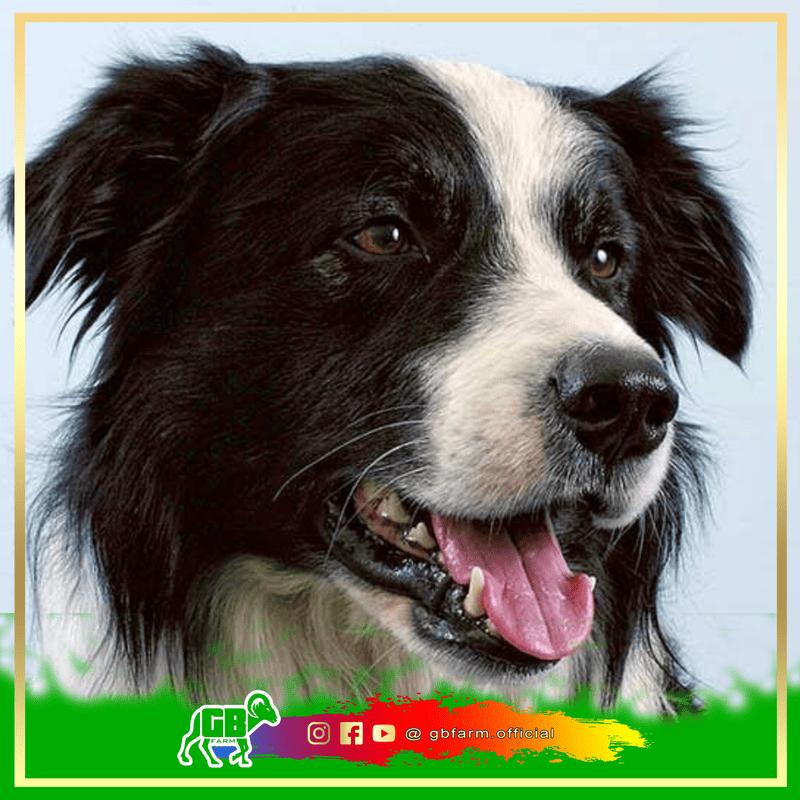
Dog training is more than just teaching your pet to sit or stay; it is the cornerstone of a fulfilling, safe, and joyful relationship between a human and their canine companion. A well-trained dog is a happy dog, integrated smoothly into your home and community. It is a fundamental responsibility for any dog owner, ensuring the safety of the animal, the owner, and the public. Whether you have a brand-new puppy or an older rescue dog with ingrained habits, mastering the principles of dog training is crucial for success.
The journey of dog training can seem daunting, filled with conflicting advice and complicated techniques that often leave owners feeling helpless. Yet, it doesn't have to be confusing or stressful. In fact, when done correctly, it should be an incredibly rewarding experience that strengthens the bond between you and your pet. If you are struggling with common behavior issues like excessive barking, pulling on the leash, or destructive chewing, it may be time to rethink your approach. We highly recommend exploring a scientifically-backed, force-free dog training system that focuses on mental stimulation to address the root cause of these problems. This specific approach, unlike outdated dominance methods, utilizes your dog's natural intelligence to foster rapid learning and lasting obedience, transforming those difficult behaviors into desirable ones through fun and engaging "brain games." Ready to see the difference this modern, intelligence-focused training can make?
Click Here to Get Instant Access!
This comprehensive guide will walk you through everything you need to know about dog training, covering the essential techniques, the best time to start, common problems and solutions, and the critical mindset required for long-term success.
1. The Philosophy of Modern Dog Training
Modern dog training has evolved significantly over the past few decades. The harsh, dominance-based methods once popularized are now widely rejected by certified professionals and researchers.
Force-Free vs. Traditional Methods
The most important distinction in contemporary dog training is the shift toward force-free methods.
◈ Traditional (Dominance-Based) Methods: These are founded on the outdated "alpha wolf" theory, suggesting that humans must assert dominance over their dogs. Techniques often involve physical corrections, harsh voice tones, and tools designed to cause discomfort (like choke chains or prong collars). These methods are known to increase stress, suppress natural behaviors, and potentially damage the human-animal bond, leading to aggression or fear-based reactions.
◈ Force-Free (Positive Reinforcement) Methods: This approach, which we strongly endorse, uses rewards (treats, praise, toys) to encourage desired behaviors. It focuses on setting the dog up for success and teaching them what to do rather than punishing them for what not to do. This method builds trust, enhances communication, and fosters a dog that wants to cooperate because they associate training with positive experiences. The goal is cooperation, not coercion.
Operant Conditioning: The Science Behind Success
Modern dog training is largely based on the principles of operant conditioning, a learning process where behavior is modified by consequences. There are four quadrants, but positive reinforcement is the most effective and humane:
Quadrant | Description | Example | Effect |
Positive Reinforcement | Adding something desirable to increase behavior. | Giving a treat when the dog sits. | Increases the likelihood of sitting. |
Negative Punishment | Removing something desirable to decrease behavior. | Taking away a toy when the dog jumps up. | Decreases the likelihood of jumping. |
Negative Reinforcement | Removing something unpleasant to increase behavior. | Releasing pressure on a leash when a dog walks beside you. | Increases walking beside you (less common in pure force-free training). |
Positive Punishment | Adding something unpleasant to decrease behavior. | Yelling "No!" or a leash correction. | Decreases behavior, but carries high risk of side effects. |
The focus in effective dog training should always be on Positive Reinforcement and Negative Punishment.
2. When to Start: Puppy Training vs. Adult Training
The best time to start dog training is the moment the dog enters your life.
Puppy Training (8–16 Weeks: The Critical Socialization Window)
The period between 8 and 16 weeks is the most critical time for shaping a dog's long-term behavior. This is the socialization window.
◈ Early Socialization: This involves safely exposing the puppy to a wide variety of people, sights, sounds, surfaces, and experiences. Proper socialization prevents fear and reactivity later in life.
◈ Foundational Skills: Start basic obedience immediately. Use short, frequent sessions (2–5 minutes, several times a day). Focus on:
◈ House Training/Potty Training: Establishing a schedule, rewarding outdoor elimination.
◈ Crate Training: Creating a safe den, vital for house training and anxiety management.
◈ Bite Inhibition: Teaching the puppy to control the force of their mouth.
◈ Name Recognition: Making their name a positive cue.
Adult Dog Training
It’s a myth that you can't teach an old dog new tricks. Adult dogs can learn just as effectively as puppies, sometimes even faster because they have a longer attention span.
◈ Focus on Existing Habits: Training an adult often involves replacing old, undesirable habits with new, desirable ones (known as differential reinforcement).
◈ Behavior Modification: If you've adopted a dog with fear, aggression, or severe anxiety, dog training requires careful, systematic behavior modification. This work often benefits from the guidance of a professional certified dog trainer (CCPDT-KA or similar).
3. The Essential Basic Obedience Commands
Mastering these core commands is the backbone of successful dog training. They are vital for your dog's safety and your ability to manage them in any environment.
A. Sit
This is often the first command taught and is used as a foundation for impulse control.
◈ How to Teach: Hold a high-value treat near your dog's nose. Slowly move the treat in an arc over their head, toward their tail. As their nose follows the treat, their rear end should naturally drop to the ground.
◈ Cue: As their rear touches the ground, say the cue "Sit" and immediately give the treat and praise.
◈ Practice: Use "Sit" before opening doors, putting down the food bowl, or greeting people.
B. Stay
A crucial safety command, teaching the dog to remain in position until released.
◈ How to Teach: Have your dog in a "Sit." Show your flat palm and say "Stay." Take a tiny step back. If they hold the position for just one second, immediately return and reward them (do not reward while they are still in the stay position).
◈ Building Duration & Distance: Gradually increase the time you wait before returning and the distance you step away. If they break the stay, calmly put them back in the starting position and try again.
◈ The Release Word: Always use a clear release cue (like "Okay," "Free," or "Break") followed by a reward.
C. Come (Recall)
Perhaps the single most important command for safety, ensuring your dog returns to you instantly, even when distracted.
◈ Key Rule: Never punish your dog for a slow recall. Make coming to you the most rewarding thing they could possibly do.
◈ How to Teach: Start in a small, enclosed space. Take a few steps away and enthusiastically say the cue "Come!" or "[Dog's Name], Come!" When they reach you, reward them with a jackpot (multiple treats) and praise.
◈ Practice with Distractions: Gradually introduce distractions, always ensuring you practice in a safe, enclosed area first.
D. Down (Lie Down)
A calming command that requires more muscular effort and is great for teaching relaxation and settling down.
◈ How to Teach: Start with a "Sit." Hold the treat at your dog's nose and move it straight down to the floor between their front paws, then slowly slide it forward along the floor. The dog must lie down to follow the treat.
◈ Cue: As they lie down, say "Down" and reward.
◈ Use Case: Excellent for use in public places, during visitors, or when you need your dog to settle.
E. Heel / Loose-Leash Walking
The most common behavior problem is pulling on the leash. Dog training for loose-leash walking is about teaching the dog that the most rewarding place to be is right by your side, not dragging you down the street.
◈ The Reward Zone: Establish a "Heel" or "Walk" zone right next to your leg.
◈ How to Teach: Walk. The instant the dog's leash goes slack (meaning they aren't pulling), mark the behavior (with a clicker or "Yes!") and reward them right beside your leg.
◈ The "Stop & Go" Method: If the dog pulls, immediately stop walking and stand still. Wait for the leash to slacken, then immediately start walking again. This teaches them that pulling gets them nowhere, but slack gets them moving forward.
4. Addressing Common Behavior Problems
Effective dog training isn't just about teaching commands; it's about solving real-world behavioral challenges. Most problems stem from either boredom (lack of mental stimulation) or anxiety/fear.
A. Excessive Barking
Barking is natural, but excessive barking is a problem. You must identify the cause:
Type of Barking | Common Cause | Training Solution |
Alert Barking | Territorial, warning of intruders (people, squirrels). | Manage access to windows/fences; teach an alternative behavior (e.g., "Go to Mat"). |
Attention Barking | Dog has learned barking gets them what they want (play, food, attention). | Extinction: Ignore the barking completely. Reward only when they are quiet for a moment. |
Boredom Barking | Lack of physical and mental exercise. | Increase mental stimulation (e.g., puzzle toys, dog intelligence training games). |
Anxiety/Fear Barking | Triggered by specific sounds or being left alone. | Systematic desensitization (for triggers); separation anxiety training. |
B. Destructive Chewing
Chewing is a natural dog behavior, but it becomes destructive when they target furniture or household items.
◈ Redirect: Provide plenty of appropriate chew toys (bones, KONGs, durable rubber toys). If you catch them chewing something inappropriate, interrupt the action and immediately redirect them to their own chew toy.
◈ Management: Use gates or crates to limit their access to areas where they might chew inappropriately when unsupervised.
◈ Enrichment: Destructive chewing is a major sign of boredom. Increase playtime and mental work.
C. Jumping Up
Jumping is an attention-seeking behavior. Even negative attention (like pushing them off) can reward the behavior.
-
Training Solution: The key is to withdraw all attention when they jump.
Turn your back, cross your arms, and become a "boring tree."
The instant all four paws are on the floor, immediately turn around and reward them with praise or a treat.
Only greet your dog when they are calm. Teach them that a calm "Sit" gets the reward.
D. Leash Reactivity
This involves lunging, barking, or growling at specific triggers (often other dogs or people) while on the leash. It is typically a distance-seeking or fear-based behavior, not aggression.
◈ Avoidance & Distance: Keep your dog far enough away from their "trigger" that they don't react (this is their threshold).
◈ Counter-Conditioning: Every time the trigger comes into view (but is still far away), give your dog a high-value treat. The goal is to change the dog's emotional response from "Oh no, a dog!" to "Great, a dog means treats!"
◈ Professional Help: Reactivity can be complex. Consulting a certified behaviorist is highly recommended.
5. The Role of Mental Stimulation and Dog Intelligence Training
As highlighted earlier, a bored dog is a misbehaving dog. Dog training must incorporate mental exercise. This is where dog intelligence training (often called "brain games" or "enrichment") excels.
Why Brain Games Work
Mental exercise can be far more tiring for a dog than physical exercise. When dogs are mentally stimulated, their brains are actively engaged in problem-solving, which:
Reduces Boredom: Less boredom means less destructive behavior.
Increases Focus: The dog becomes more receptive to learning all other obedience commands.
Strengthens Bond: Working together on puzzles and games deepens the communication and trust between you and your pet.
Examples of Dog Intelligence Games:
◈ The Shell Game: Teaching your dog to find a treat hidden under one of three cups.
◈ Puzzle Toys & Treat Dispensers: Requiring your dog to manipulate a toy to release food.
◈ Scent Work: Hiding treats around a room and having your dog use their nose to find them. This is incredibly rewarding and calming for dogs.
6. The Trainer's Mindset: Consistency and Patience
The success of any dog training program depends far more on the owner's consistency than on the dog's innate intelligence.
A. Consistency is Key
◈ Rules: Every family member must enforce the same rules and use the same command cues. If one person lets the dog jump and another punishes it, the dog will be confused and training will fail.
◈ Environment: Ensure the dog understands the command in different environments (inside, outside, quiet park, busy street) and around different people. This process is called generalization.
B. Patience and Realistic Expectations
◈ Learning Takes Time: Your dog will not master "Stay" in a day. Be patient and celebrate small wins.
◈ Mistakes Are Part of Learning: If your dog fails a command, it means one of three things: the distraction was too high, the reward was too low, or you moved too fast. Never blame the dog; adjust the training environment and try again.
◈ Keep It Fun: Training should never feel like a chore for you or your dog. End every session on a positive note.
7. Resources and When to Seek Professional Help
Even the most dedicated owner may need assistance, especially when dealing with complex behavioral issues.
Certified Professional Dog Trainers (CPDT-KA)
These professionals are experts in teaching foundational skills and troubleshooting obedience issues. They use modern, science-based, force-free dog training methods.
Certified Dog Behavior Consultants (CDBC) or Veterinary Behaviorists (DACVB)
If your dog displays significant fear, anxiety, or aggression, you need a behavior expert. These specialists address the underlying emotional and psychological causes of behavior and work in consultation with your veterinarian.
Summary of the Best Approach
Effective dog training is a continuous process built on trust, consistency, and positive reinforcement. By incorporating mental stimulation and prioritizing a force-free approach, you empower your dog to become a willing and happy participant in your life. Remember, the investment you make in training today is an investment in a happy, obedient, and lifelong companion.
#dogtraining #dogtraining101 #bestdogtraining #dogtrainingtips #freedogtraining #easydogtraining #dogtrainingvideo #dogtrainingpuppy #dogtrainingadvice #dogtrainingtricks #dogtrainingbasics #dogtrainingvideos #onlinedogtraining #humanedogtraining #dogtrainingmethods #trainingadogtome #servicedogtraining #dogleashtraining #dogpottytraining #dogtrainingguidance #positivedogtraining #reactivedogtraining #dogtrainingtechniques #aggressivedogtraining