
How to Successfully Raise Chickens for the First Time: From Coop to Fresh Eggs
Why Most First-Time Chicken Keepers Fail??
Many people get excited about raising chickens — until reality hits.
After a few weeks, they give up because:
"the chickens stop laying, the coop smells bad, or some birds even die".
The truth is, raising chickens can be simple and fun — if you start with the right foundation.
You don’t need a big farm or expensive equipment; you just need a bit of knowledge and daily consistency.
This guide will walk you through every step — from building your first coop and choosing the right breed to feeding, cleaning, and collecting your first egg.
If you truly want a complete step-by-step guide, we’ve prepared a special e-book just for you — The First Time Chicken Keepers.
This book was written by experienced poultry keepers and designed specifically for beginners who want to start right — and succeed from day one.
Step 1: Build a Clean and Comfortable Coop
Your coop is your chickens’ home.
If it’s poorly built or dirty, your flock will get stressed, sick, or stop laying altogether.
Here’s how to create the perfect beginner-friendly chicken coop:
✅ Good ventilation
Allow air to flow freely through vents or small openings on both sides.
This helps prevent moisture buildup and eliminates that unpleasant ammonia smell.
✅ Dry and easy to clean
Use rice husk, straw, or dry sand for bedding.
Clean droppings regularly to prevent flies and odor.
✅ Sunlight access
Morning sunlight kills bacteria and helps chickens stay active and healthy.
✅ Simple materials
You don’t need to spend a lot — bamboo, wood, or wire mesh works perfectly.
Just make sure it’s sturdy, waterproof, and easy to clean.
Pro tip:
Once a week, remove the chickens for 15 minutes, scrub the coop floor with mild soapy water, and let it dry in the sun.
This keeps your setup fresh and odor-free.
Step 2: Feed Them Right
Feeding is where many beginners make mistakes.
Chickens fed randomly won’t grow well or lay regularly.
Here’s a balanced feed mix that works for backyard chickens:
Bran or rice husk (40%)
Crushed corn (30%)
Tofu pulp or soybean meal (20%)
Leafy greens or kitchen scraps (10%)
Mix everything evenly and add just enough water to reduce dust.
You can also sprinkle a vitamin supplement once or twice a week for extra nutrition.
Feeding schedule
Morning (around 7 AM)
Evening (around 4 PM)
Always keep clean water available 24/7.
Dirty water is one of the biggest causes of chicken illness that beginners overlook.
Step 3: Choose the Right Breed for Beginners
Not every chicken breed is beginner-friendly.
Start with breeds that are hardy, calm, and easy to care for.
| Chicken Breed | Key Strengths | Best For |
|---|---|---|
| Native/Local Chickens | Strong immune system, easy care | Small backyards |
| Isa Brown / Lohmann Brown | Very productive layers | Beginners wanting eggs |
| Joper (Java Super) | Fast-growing, good for meat | Small-scale farmers |
| Kedu Chickens | Beautiful, adaptable | Hobbyists & collectors |
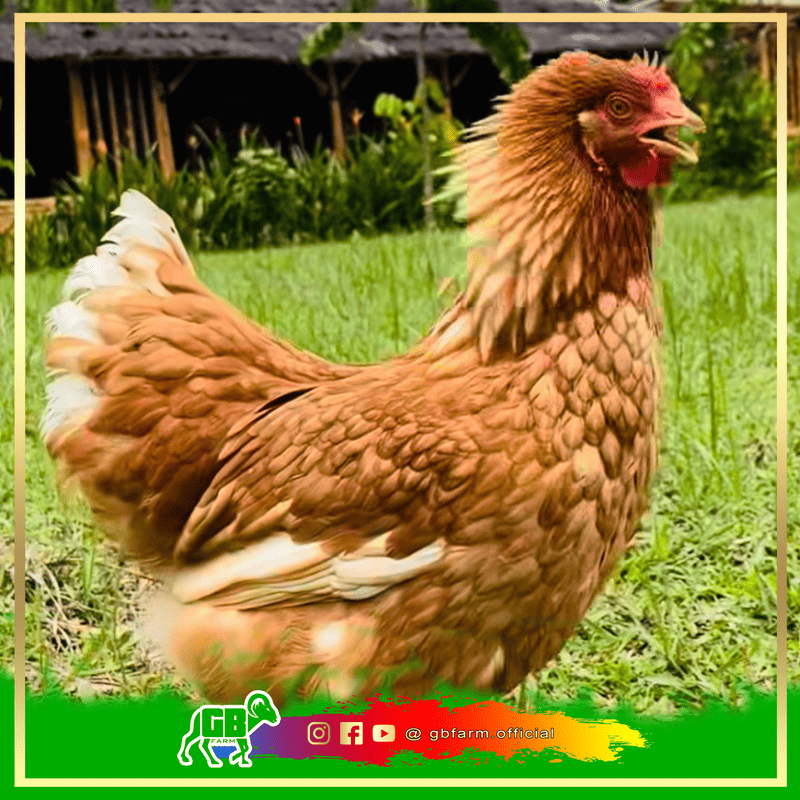
If your goal is egg production, choose Isa Brown or Lohmann Brown.
They typically start laying at 4–5 months and can produce 250–300 eggs per year with proper care.
Step 4: Keep It Clean — Healthy Chickens, Happy You
Cleanliness = healthy flock.
A dirty coop leads to parasites, mites, and respiratory disease.
Routine checklist:
Clean droppings 2–3 times per week
Replace bedding weekly
Disinfect the coop every 10 days
Wash feeders and drinkers with soap
If one chicken looks weak or lethargic, separate it immediately.
Early isolation can prevent a whole-flock infection.
Step 5: Your First Egg — The Best Feeling Ever
When your hens reach 4–5 months, they’ll start laying eggs.
You’ll notice them searching for quiet, dark corners — that’s your cue!
Tips for better egg production
Build a nest box about 30 × 30 × 30 cm, filled with dry straw.
Keep the nest shaded and quiet.
Feed extra protein (corn + bran mix).
Add fish oil or vitamin E to their water once a week.
Happy hens = more eggs.
Collect them daily and store them in a cool, dry spot (avoid the fridge if you plan to hatch them).
Step 6: Care with Love, Not Just Routine
Chickens are more sensitive than people think.
They can get stressed if they’re chased, scared, or hungry for too long.
Every morning, spend a few minutes observing them:
Are they active and curious?
Do their feathers look clean?
Are their eyes clear and bright?
Small daily habits matter more than occasional big efforts.
Healthy chickens are a reflection of consistent care — and love.
Step 7: Your Complete Beginner’s Guide
If you want to take your chicken-keeping journey seriously — without repeating beginner mistakes —
we recommend getting this step-by-step guide:
“The First Time Chicken Keepers” — A Complete Handbook from Coop Setup to First Egg Collection
Inside, you’ll learn:
How to choose the perfect beginner breed
The best coop design (with pictures!)
How to prevent smell and disease
Homemade feed recipes to cut costs
Simple tricks to help hens lay faster
It’s easy to follow, visually explained, and written for complete beginners.
get The First Time Chicken Keepers e-book
This e-book is the perfect shortcut to success —
no guessing, no endless trial and error.
Many readers have already turned their small backyards into clean, productive mini-farms with daily fresh eggs!
Step 8: Final Thoughts — From Zero to Chicken Hero
Raising chickens for the first time isn’t difficult — it just requires the right mindset.
Remember these keys to success:
Build a clean, well-ventilated coop
Choose hardy, beginner-friendly breeds
Provide balanced feed and clean water
Stick to a simple daily routine
Once you get into the rhythm, it becomes second nature — and deeply rewarding.
Learning from others’ experience is always cheaper than learning from failure.
Start your journey today — from your first coop build to your first basket of fresh, home-grown eggs.
#ChickenKeeping #BackyardChickens #RaisingChickens #ChickenCoopSetup #PoultryForBeginners #EggLayingHens #FirstTimeChickenKeepers #HomesteadLife #BackyardFarming #UrbanFarming